Secure Crypto Wallet: Practical Ways to Protect Your Bitcoin and Digital Assets
Secure Crypto Wallet: Practical Ways to Protect Your Bitcoin and Digital Assets
September 16, 2026
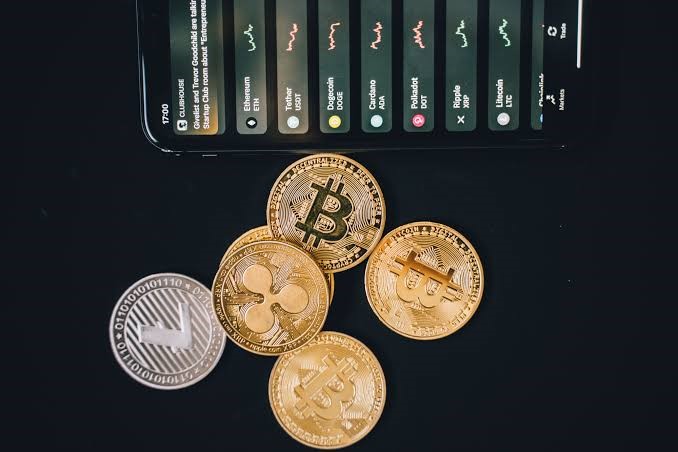
Secure Crypto Wallet: Practical Ways to Protect Your Bitcoin and Digital Assets
Owning cryptocurrency gives you more control over your money, but that control comes with responsibility. Unlike a traditional bank account, a blockchain transaction generally cannot be reversed because you changed your mind or clicked the wrong button. If your wallet credentials are exposed, stolen, or lost, recovering the funds can be extremely difficult.
That is why choosing and properly managing a Secure Crypto Wallet is one of the most important decisions a crypto user can make.
Wallet security is not simply about downloading an app with a good reputation. It involves protecting private keys, verifying transactions, controlling what information you share, and understanding how your activity can become visible on a public blockchain.
For Bitcoin users who also care about financial privacy, security and privacy should be considered together.
What Makes a Crypto Wallet Secure?
A secure wallet protects the credentials that give you control over your cryptocurrency. Depending on the wallet type, this may involve a private key, seed phrase, hardware device, passcode, or other authentication mechanisms.
A useful way to think about wallet security is to divide it into three layers:
Key security:
Who can access the private keys or recovery phrase?Device security:
Is the computer or phone being used to access the wallet trustworthy?Transaction security:
Are you carefully checking where your cryptocurrency is being sent before approving a transaction?
For example, imagine someone receives an email that appears to come from their wallet provider. The email asks them to "verify their recovery phrase." Everything looks legitimate, but the request is fraudulent. If they provide the phrase, the attacker may be able to control the wallet.
The wallet itself was not necessarily hacked. The user's recovery information was compromised.
That distinction is important because many cryptocurrency losses happen through phishing, social engineering, malicious software, or careless transaction approvals rather than sophisticated blockchain attacks.
Private Crypto Wallets Give You More Responsibility
Private Crypto Wallets are often preferred by people who want greater control over their assets instead of leaving cryptocurrency permanently on an exchange.
With self-custody, you generally control the credentials needed to authorize transactions. That can be empowering, but it also means you become responsible for protecting those credentials.
Consider a simple scenario.
You purchase Bitcoin on an exchange and leave it there. The exchange manages the wallet infrastructure for you. When you move the Bitcoin to your own wallet, the responsibility changes. You now need to protect your recovery phrase, secure your device, verify addresses, and plan for what happens if your device is lost.
Self-custody is not automatically safer or less safe. It depends heavily on how it is managed.
A practical rule is simple: never treat a seed phrase like a password you can reset. It is closer to a master key. Anyone who obtains it may potentially gain control of the associated funds.
Why Wallet Privacy Matters
Bitcoin transactions are recorded on a public blockchain. The fact that transactions are public does not mean that every wallet automatically reveals the owner's real-world identity, but blockchain activity can still reveal relationships between addresses and transactions.
This is where Wallet Privacy becomes important.
For example, suppose you use the same Bitcoin address repeatedly. Over time, someone who can associate that address with you may be able to observe its transaction history and balance movements.
Good privacy practices can reduce unnecessary exposure.
These may include:
- Avoiding unnecessary address reuse
- Separating funds according to their intended purpose
- Checking what information you reveal when making payments
- Being cautious about connecting wallets to unfamiliar websites
- Reviewing transaction details before signing
- Understanding the privacy implications of blockchain transactions
Privacy does not mean hiding wrongdoing. It is also about preventing unnecessary exposure of your financial activity.
After all, most people would not want their bank statements publicly searchable. Cryptocurrency users deserve to think about financial privacy with the same level of care.
Privacy Wallets and the Security Connection
The term Privacy Wallets can refer to wallets or wallet setups designed to give users greater control over transaction privacy and information exposure.
However, privacy and security are not identical.
A wallet can offer strong privacy features while still being poorly secured. Likewise, a wallet can be technically secure while a user exposes their transaction history through careless address reuse or unsafe applications.
The strongest approach considers both.
Before using any wallet, investigate:
- How private keys are generated and stored
- Whether the wallet is open source or independently reviewed
- How recovery works
- Whether the wallet supports hardware security
- How transactions are displayed before signing
- Whether the wallet has a history of security incidents
- What information the wallet or associated services collect
Do not choose a wallet solely because it promises anonymity or uses impressive security terminology. Look for understandable, verifiable security practices.
Crypto Wallet Best Practices That Actually Matter
Following Crypto Wallet Best Practices does not need to be complicated. A few consistent habits can dramatically reduce avoidable risks.
Keep Your Recovery Phrase Offline
Do not store a seed phrase in an email account, cloud document, screenshot folder, or messaging app.
If an attacker gains access to your account or device, your recovery phrase could become accessible too.
For significant holdings, consider secure offline storage and a carefully planned backup strategy.
Verify Every Address
Crypto addresses can be long and difficult to read. Copy-and-paste malware can sometimes replace a copied address with an attacker's address.
Before confirming a transaction, check the destination address carefully. For larger transfers, consider sending a small test transaction first when appropriate.
Separate Everyday Funds From Long-Term Holdings
You do not necessarily need to keep every asset in one wallet.
A wallet used for frequent transactions interacts with more websites, applications, and services. Long-term holdings can be kept separately with stronger security controls.
Think of it like carrying cash in your wallet while keeping your savings somewhere more secure.
Be Careful With Wallet Connections
A website asking you to connect a crypto wallet deserves scrutiny.
Do not connect your wallet simply because a site displays a familiar logo. Verify the domain, understand what you are signing, and avoid approving transactions you do not understand.
Keep Software Updated
Wallet software, operating systems, browsers, and hardware-wallet firmware may receive security updates.
Ignoring updates for months can leave known vulnerabilities unaddressed.
Plan for Recovery
Security is not complete until you know what happens if your phone, laptop, or hardware wallet disappears.
Ask yourself:
Could I recover my funds if this device were destroyed tomorrow?
If the answer is no, your backup strategy needs attention.
Cryptocurrency Security Best Practices for Bitcoin Users
Strong Cryptocurrency Security Best Practices go beyond the wallet itself.
Use unique passwords for important accounts and enable two-factor authentication where available. Be particularly cautious with email accounts because access to email can sometimes help attackers reset other accounts.
Also, treat unexpected crypto messages with suspicion.
A common scam may say:
"Your wallet has been suspended. Verify your account immediately."
The goal is usually to create urgency so that the victim stops checking whether the message is genuine.
Legitimate security decisions rarely require you to panic.
For Bitcoin users interested in privacy tools, it is equally important to understand how those tools work before transferring funds. Veilo, for example, describes itself as a CoinJoin-powered Bitcoin privacy service designed to reduce direct on-chain links between deposit and receiving addresses. Its website states that it does not require an account or KYC and that transaction details are deleted after 24 hours.
Any third-party service that handles or processes cryptocurrency should be evaluated independently. Review its terms, security model, fees, operational risks, and applicable legal considerations before using it.
A Secure Wallet Is Only as Strong as Its User
One of the biggest misconceptions in cryptocurrency is that buying a hardware wallet or downloading a reputable wallet automatically solves security.
It does not.
Imagine someone buys an expensive hardware wallet but stores its recovery phrase in an unencrypted cloud note. The hardware device may be excellent, but the recovery process has become a weak point.
Security is a system, not a single product.
The best setup combines secure wallet technology with careful user behavior, reliable backups, transaction verification, device security, and sensible privacy practices.
Final Thoughts
Choosing a Secure Crypto Wallet is an important first step, but protecting digital assets requires ongoing attention.
Private keys need protection. Recovery phrases need secure backups. Transactions need verification. Wallet connections need scrutiny. Privacy needs to be considered before information becomes permanently visible on a public blockchain.
For anyone holding Bitcoin or other digital assets, the goal should not be to find a magical wallet that eliminates every risk. The better approach is to build habits that make common attacks much harder to succeed.
Crypto gives users greater financial control. With that control comes the responsibility to protect it.
Frequently Asked Questions
What is a Secure Crypto Wallet?
A Secure Crypto Wallet is a wallet designed to protect the credentials that control cryptocurrency funds. Security depends on both the wallet's technology and how the user manages private keys, recovery phrases, devices, and transactions.
Are Private Crypto Wallets safer than exchange wallets?
They can provide greater direct control because the user manages the wallet credentials. However, self-custody also transfers security responsibility to the user. Poor backup practices or exposed recovery phrases can create serious risks.
How can I improve Wallet Privacy?
Avoid unnecessary address reuse, carefully consider which services you connect your wallet to, minimize unnecessary disclosure of transaction information, and understand that blockchain activity can remain publicly visible.
What are the most important Crypto Wallet Best Practices?
Protect your recovery phrase offline, verify transaction addresses, use strong authentication, keep wallet software updated, separate everyday funds from long-term holdings, and avoid signing transactions you do not understand.
Are Privacy Wallets completely anonymous?
No wallet should automatically be assumed to provide complete anonymity. Blockchain transactions can create publicly visible records, and privacy depends on how the wallet and surrounding services are used.
What are the most important Cryptocurrency Security Best Practices for beginners?
Start with the basics: protect your recovery phrase, use reputable wallet software, enable strong account security, verify addresses before sending funds, keep devices updated, and be skeptical of unexpected messages asking for wallet credentials.
Should I keep all my cryptocurrency in one wallet?
There is no universal answer, but separating funds by purpose can reduce exposure. Many users prefer different security arrangements for frequent transactions and long-term holdings.
What should I do if someone asks for my seed phrase?
Do not provide it. A legitimate wallet provider should not need your recovery phrase to "verify," "unlock," or "secure" your wallet. Treat anyone requesting it as potentially malicious.